Table of Contents
- Scoliosis Facts
- Signs of Scoliosis
- Early Detection of Scoliosis
- Strategies to Prevent
- Minimizing the Chances of Developing
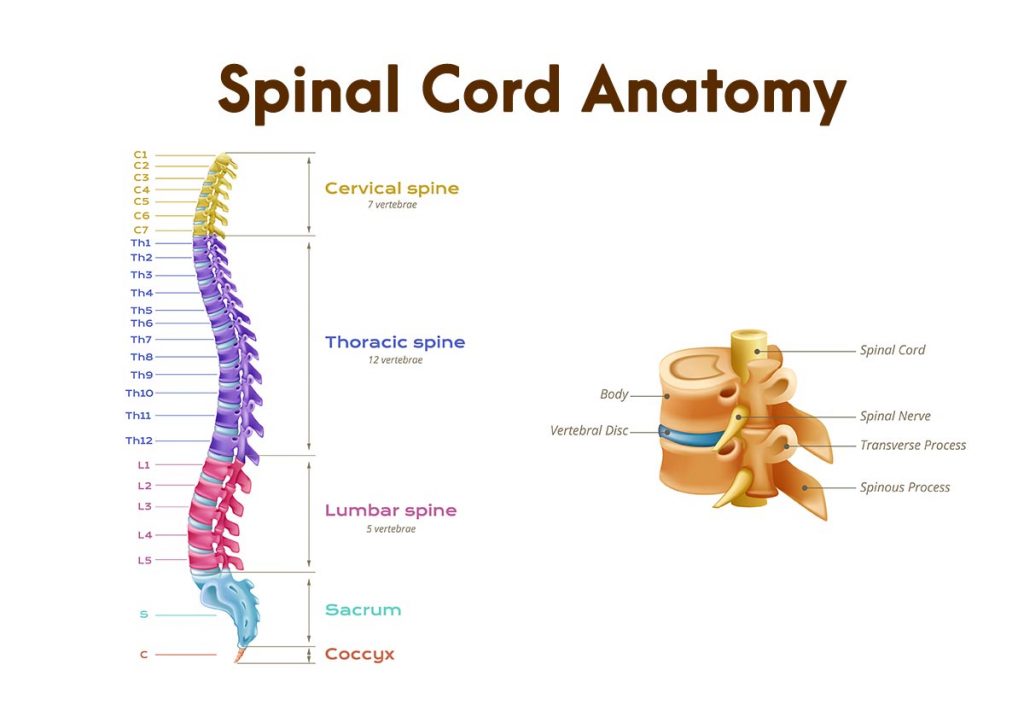
The spine has normal curves, but it appears straight when you look at someone’s back. However, some people, especially children and teens, develop an abnormal C-shaped or S-shaped curve in the spine. Most cases of scoliosis are idiopathic. This means there is no known cause. Is scoliosis preventable? Though it is not possible to prevent scoliosis, it is possible to prevent scoliosis from getting worse.
Scoliosis Facts
Scoliosis can develop at any age, but most cases occur in children and teens. There are three scoliosis types.
- Idiopathic scoliosis, which has an unknown cause
- Congenital scoliosis, in which the embryo’s spine does not form correctly
- Neuromuscular scoliosis, which is the result of spinal muscle and nerve abnormalities and is often due to a medical condition like cerebral palsy or muscular dystrophy
Anyone can develop scoliosis, but idiopathic scoliosis is the most common type. It usually affects children and teens.
- It mostly occurs in children 11 years and older.
- Idiopathic scoliosis is more common in girls.
- There may be genetics involved since someone with a sister, brother or parent who has scoliosis has a greater probability of developing scoliosis.
Signs of Scoliosis
The signs of scoliosis commonly appear in older children and teens because it shows up during growth spurts. It usually develops in children aged 10 to 18. The typical peak years for girls are ages 12-14 and for boys, 15-16. The signs of scoliosis in teens become more apparent as they grow, as there are many visible indicators.
- The shoulders look uneven when viewed from the back.
- One or both shoulder blades may protrude unnaturally.
- One or both hips are in an unusually high position.
- The waist is not even.
- Left and right rib cages are not the same height.
- The body leans to one side.
- Skin overlying the spinal changes may develop an unusual appearance, such as dimpling or a color change.
- The head is not centered on the body.
Someone with scoliosis may experience pain. In approximately 80% of teenagers with scoliosis, the upper back spine curves to the right.
Early Detection of Scoliosis
Can scoliosis be prevented? Scoliosis prevention is not possible, but early detection is crucial to prevent it from getting worse. Between 1 and 2% of schoolchildren up to age 15 have idiopathic scoliosis. When scoliosis is not treated early, the spine can continue to experience degenerative changes. This is presumed to explain why 8% of adults aged 25 and older and 68% of persons aged 60-92 years have scoliosis.
The earlier scoliosis is detected, the sooner it can be treated. A doctor can conduct a quick, noninvasive scoliosis screening of children and teens.
The Scoliosis Research Society recommends screening girls twice at 10 and 12 years and boys at 12 or 13 years.
The ages selected are based on the fact that most idiopathic scoliosis develops in the teen years.
When scoliosis appears to be developing, a doctor can perform a physical examination of the back. The Adams test involves bending forward at the waist to see if one side of the back is higher than the other. There are additional tests in which the patient assumes various positions as the doctor looks for asymmetry. Different tests are performed if scoliosis is suspected.
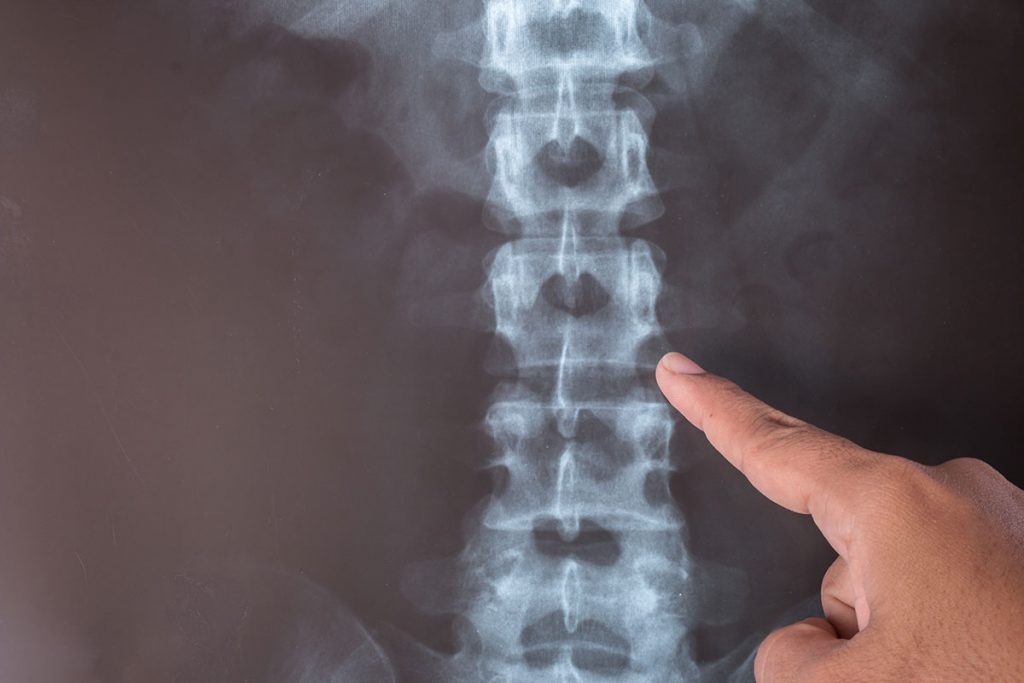
- X-ray images can confirm the presence of scoliosis and the degree of spinal curvature. A Cobb angle (curvature) greater than 10% indicates scoliosis is developing.
- The child or teenager’s growth stage is assessed.
- The EOS scan, a 3-D imaging system, offers visualization of the spine’s curvature.
- An MRI might be performed to identify other potential medical conditions if the patient has neuromuscular symptoms or atypical spinal abnormalities, such as a left thoracic curvature.
Strategies to Prevent the Condition From Worsening
If scoliosis appears to be developing, the doctor will check the spine every 4-6 months while the child continues to grow. If the spinal curve worsens, the following steps are taken to prevent scoliosis from advancing.
1. Physical therapy
There are physical therapy exercises developed to address scoliosis. They include posture, stretching, strengthening, and breathing exercises.
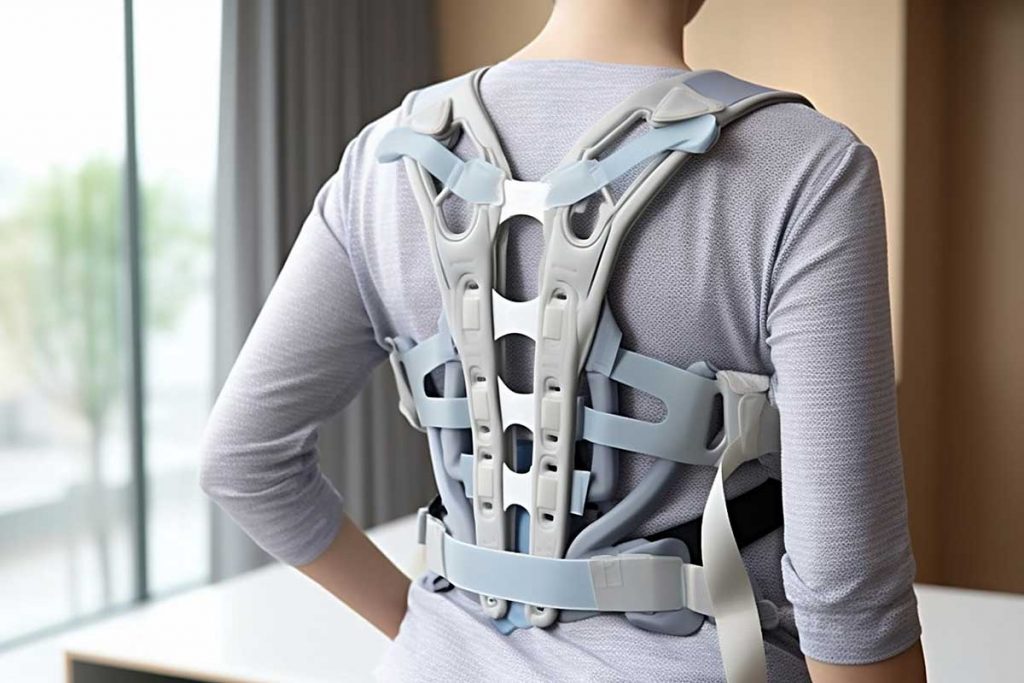
2. Wearing a brace
Wearing an orthopedic brace helps the spine grow normally. The brace is generally recommended when the spinal curve is 30-45 degrees, and the bone is still growing, and at 20-30 degrees when the scoliosis progresses by 5 degrees within six months. The brace should straighten the curve by at least 50%.
3. Surgery
In severe scoliosis cases, which are likely to get worse, surgery to install wires, rods, screws, and/or hooks is an option. The components are used to straighten the vertebrae that are out of alignment.
Minimizing the Chances of Developing Scoliosis
Although you cannot learn to prevent scoliosis, you can learn to watch for it and have a doctor conduct the appropriate tests. It may be possible to minimize the risk that children and teens will develop scoliosis by encouraging them to maintain proper posture and stay physically active. But there’s no guarantee scoliosis will not develop anyway. This is why scoliosis is considered non-preventable.
Sources
- https://www.niams.nih.gov/health-topics/scoliosis
- https://www.ncbi.nlm.nih.gov/books/NBK499908/
- https://pmc.ncbi.nlm.nih.gov/articles/PMC12570432/
- https://www.aans.org/patients/conditions-treatments/scoliosis/
- https://pmc.ncbi.nlm.nih.gov/articles/PMC11297403/
- https://www.srs.org/Patients/Diagnosis-And-Treatment/Diagnosing-Scoliosis
- https://pmc.ncbi.nlm.nih.gov/articles/PMC11297403/#sec6
- https://www.ncbi.nlm.nih.gov/books/NBK608496/
- https://pmc.ncbi.nlm.nih.gov/articles/PMC3011182/#s3