

Table of Contents
- What Are Back Spasms?
- What Causes Back Spasms?
- Finding Relief From Back Spasms
- Reducing Back Spasm Incidents
- How to Know It Is More Than a Spasm?
Back muscle spasms are common. Most people experience one now and then, and they are painful. Spasms are due to tense muscle contractions. There are many possible causes, and learning them enables taking steps to minimize the risk of experiencing them.
What Are Back Spasms?
Muscle spasms, also called muscle cramps, are involuntary contractions of muscles. A spasm usually causes a short pain accompanied by a sudden muscle tightening. Any muscle can experience a spasm, but they commonly occur in the back.
Spasm pain occurs along a spectrum. It can be mild and brief or sharp, burning, and immobilizing. Sometimes, the pain radiates down the leg. Spasms may not last long, but they can be extremely painful while they last.
Back spasms can involve the muscles, tendons, or ligaments. In more serious cases, mobility is limited.
What Causes Back Spasms?
There are various triggers of back spasms.
Upper back spasms in the neck are often due to prolonged sitting or sleeping in a position that creates muscle tension. Stress can also cause tense neck muscles, leading to spasms.
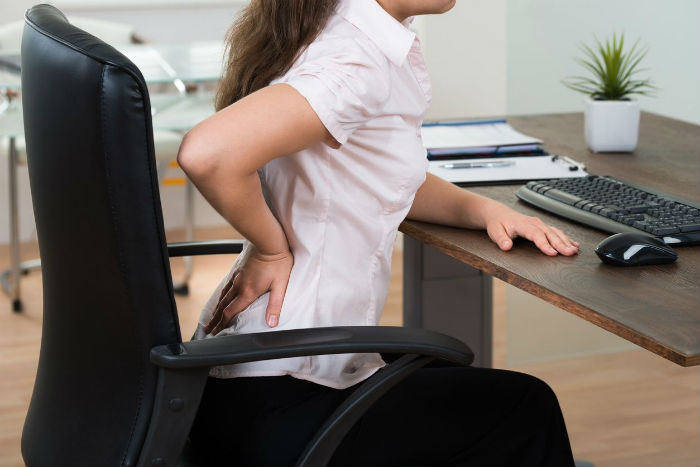
More common are middle- and lower-back spasms. Some of the reasons spasms develop include the following.
- Sitting too long at a time
- Sitting with a poor posture
- Lifting heavy items that cause muscle strain and inflammation
- Muscle injury from a fall, excessive twisting, or an accident
- Dehydration
- Low potassium
- Stress and anxiety
- Diseases and disorders
Diseases like osteoarthritis and disorders, such as a herniated disc and spinal stenosis, that compress nerves or place pressure on the spinal cord may cause muscle spasms.
Finding Relief From Back Spasms
Anyone can learn how to relieve back spasms with self-treatments.
- Apply heat or cold to the spasming muscle. Apply it for 20 minutes, making sure the skin does not get too hot or too cold. Let the skin rest and reapply after 30 minutes.
- Take over-the-counter pain medications, such as acetaminophen or ibuprofen.
- Massage the spasm site to increase blood flow.
- Stay active because inactivity may prolong spasm activity.
- During a spasm, lie on your back with your knees flexed and feet flat to relieve muscle tension.
If the spasms do not subside, a doctor may prescribe muscle relaxants that you take only for several days. A doctor may also recommend physical therapy. In some cases, minimally invasive trigger-point injections can provide relief. An anesthetic is injected into the muscle that is experiencing the spasm to relax it.
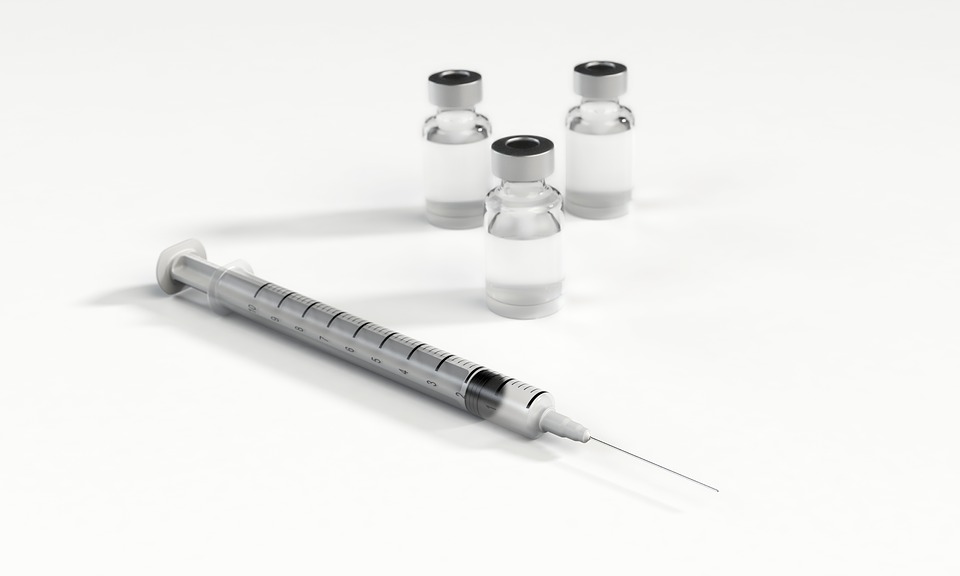
Trigger Point Injections
Reducing Back Spasm Incidents
There is nothing that can entirely prevent back spasms. However, learning how to prevent back spasms and minimize the risk of experiencing them is something everyone can do.
- Maintain good posture while sitting for long periods.
- Get up and stretch the muscles every 30 minutes when sitting.
- Sleep on a pillow that supports the head and neck correctly and keeps the spine aligned.
- Learn to lift heavy objects with your legs, not your back.
- Stay hydrated each day.
- When doing intense physical activity that causes heavy or prolonged sweating, drink electrolyte drinks.
- Follow a well-balanced, healthy diet that provides more electrolytes, such as nuts, bananas, beans, dairy, and spinach; and drink electrolyte drinks.
- Do regular stretches to keep muscles, tendons, and ligaments flexible.

Read the post “How to Straighten Your Back and Correct Spine Posture“
How to Know It Is More Than a Spasm?
Most back spasms are short-lived and will improve. Some situations suggest a more serious health issue than a tense muscle. It is important to consult a doctor when any of the following conditions occur.
- Spasm is accompanied by numbness, weakness, or tingling in the legs
- Difficulty standing or walking
- Pain from a spasm lasts more than a few days
- Muscle spasms are frequent
- Spasms regularly interfere with daily activities
The doctor can perform various diagnostic tests to identify the actual cause of the muscle spasms. With this information, a plan for minimizing the risk of muscle spasms is developed.