
Table of Contents
- Role of the Tailbone
- Common Causes of Bruised or Broken Tailbone
- Broken or Bruised?
- Treating a Tailbone Injury or Fracture
- FAQs
- When to Consult a Doctor
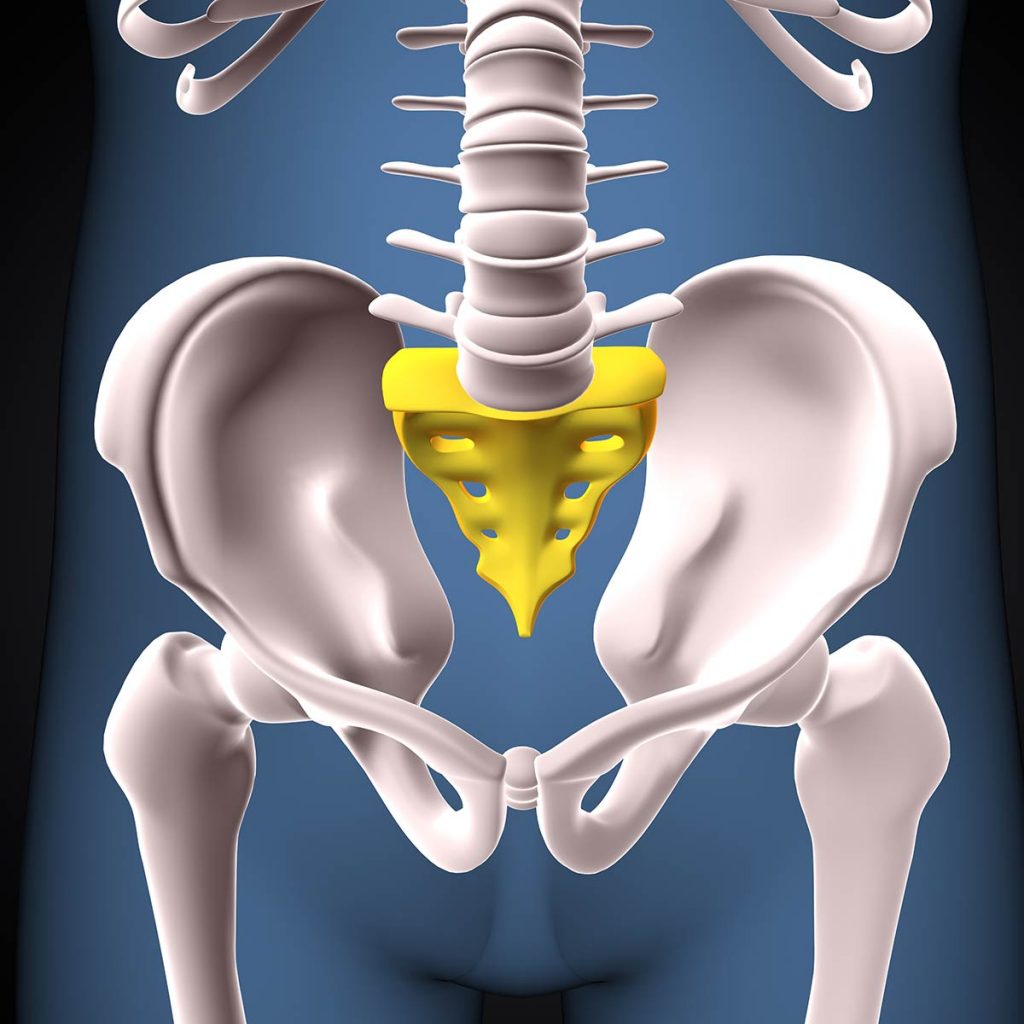
At the bottom of the spine is the tailbone, called the coccyx. It has a triangular shape and was formed from three to five fused vertebrae. It is not discussed as much as other bones, but it can still be bruised or broken. When injured or fractured, it can be quite painful. Understanding the difference between a broken and a bruised tailbone, and knowing when to consult a doctor, can speed recovery and prevent complications.
Role of the Tailbone
The triangular coccyx, or tailbone, has three main duties in the body.
- Assist with balance while sitting
- Support ligaments and muscles on the pelvic floor
- Absorb pressure when leaning backwards
Common Causes of Bruised or Broken Tailbone
The tailbone can be injured in numerous ways.
- Falling backwards and landing on the buttocks or back on a hard surface
- A car accident, such as a rear-end collision, that causes bodily harm
- Strain placed on the tailbone and surrounding muscles from repetitive activities, i.e., cycling, lifting, sports injuries, etc.
- Childbirth during delivery due to excessive pressure or when instruments are used
- Nutritional deficiencies in seniors lead to osteoporosis
- Normal wear and tear due to aging
Broken or Bruised?
People ask how to tell whether their tailbone is broken or bruised because the symptoms may not be obvious. The challenge is that symptoms alone are not enough to answer that question unless they are severe, such as radiating pain. Only an X-ray or a CT scan can confirm a bone fracture.
Bruised Tailbone Symptoms
A coccygeal contusion or bruised tailbone is an injury to the bone surface without a fracture, and the soft tissues around the bone are bruised. Some of the typical bruised tailbone symptoms include the following.
- Pain at the bottom of the spine (top of the buttocks) that is localized
- Area is tender to the touch
- Pain that increases in intensity when sitting or standing up from a seated position
- Mild swelling that remains localized
- Bruising at the spine’s base
Tailbone pain after a fall is common, but it is often difficult to determine whether the bone is injured or broken unless more severe symptoms develop.
Broken Tailbone Symptoms
Broken tailbone symptoms include those listed for a bruised tailbone, but there are more.
- Pain in the lower back that is almost constant
- Swelling around the tailbone area that may become prominent and spread
- Pain that increases in intensity when sitting or standing up from a seated position
- Mobility difficulties develop due to the pain
- Pain intensified during sexual intercourse
- Pain intensifies during a bowel movement
- Bowel movements become irregular
- Pain radiates into the legs, or leg numbness develops
When the pain intensifies and does not seem to be healing over 2-3 weeks, the tailbone may be broken. Can you break your tailbone and still walk? It is possible to continue walking, but it is likely to be very painful.
Treating a Tailbone Injury or Fracture
A bruised tailbone is treated with home remedies. They include resting the tailbone and using a donut cushion to prevent applying pressure on it. It is important to avoid sitting for long periods to avoid placing pressure on the tailbone.
Applying ice to the painful, injured area every 20 minutes to reduce swelling and lessen pain is helpful. Taking over-the-counter pain medications can also reduce inflammation and pain. Continue moving but avoid anything strenuous.
If the tailbone is broken, a doctor’s treatment plan is more complex. The physician may prescribe pain medication and recommend physical therapy. Physical therapy goals include learning pelvic floor exercises and movements that minimize pain. If experiencing severe pain, a nerve block or steroid injection may be ordered. There are extreme cases where the coccyx does not heal properly and must be surgically removed to relieve ongoing pain.
Once a tailbone heals, which can take weeks or months, the goal is to prevent a future injury or fracture. If a high-energy, high-impact sport or repetitive work task led to the issue, it is best to avoid these activities. Also, maintain good posture because slouching places pressure on the lower spine.
FAQs
What’s the best way to sit with tailbone pain?
The best way to sit with tailbone pain is with a donut cushion or a cushion designed with a coccyx cutout. This relieves pressure on the spine. Also, take frequent breaks from sitting and change positions often.
Does bruising mean it’s broken?
The presence of bruising does not necessarily mean the tailbone is broken. This is a common symptom of tailbone injuries and fractures from falling. The bone and surrounding structures are bruised from the impact, but the tailbone may not be fractured.
Can you tell if someone has a broken tailbone without an X-ray?
Symptoms such as persistent, intense pain and inflammation can indicate a broken tailbone. The only way to confirm a bone is broken is with an X-ray or a CT scan.
When to Consult a Doctor
A fracture should never be ignored, as it may not heal properly, leading to further complications over time. It is not easy to know when to consult a spine specialist because bruised and broken symptoms are similar. However, pain and swelling that do not improve over 2-3 weeks and interfere with the quality of life indicate it is time to call a spine specialist.